Overcoming Common Gaming Performance Issues
Gaming performance issues can be frustrating, but understanding how to tackle them can significantly enhance your gaming experience. One of the most common problems is low frame rates, which can make games feel choppy and unresponsive.
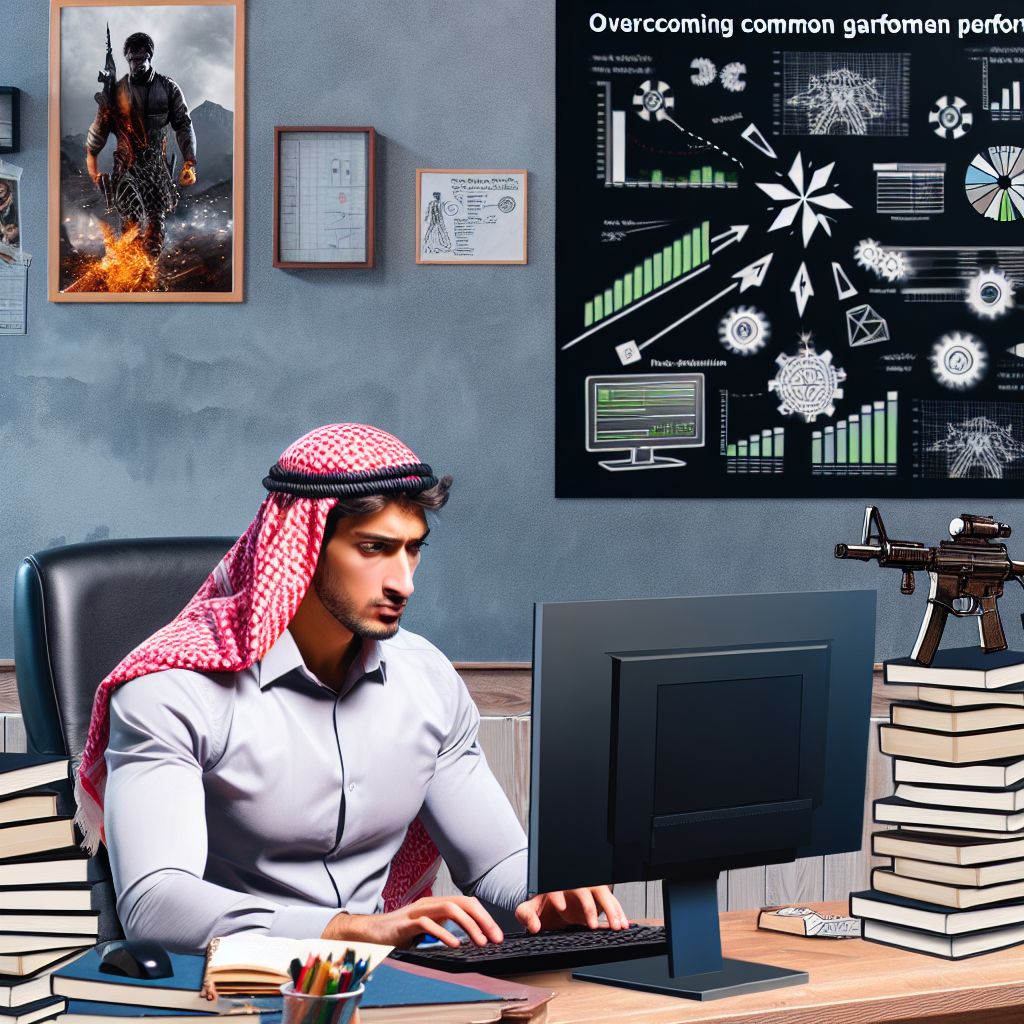
To address this, start by lowering the graphical settings within the game. Reducing texture quality, shadow detail, and anti-aliasing can often yield significant performance gains. Additionally, ensure your graphics drivers are up to date, as manufacturers frequently release updates to optimize performance for new titles. Another frequent issue is input lag, which can hinder your responsiveness in competitive games. To minimize this, check your monitor's refresh rate settings and ensure it’s set to the highest possible option. Using a wired connection rather than Wi-Fi can also reduce lag times.
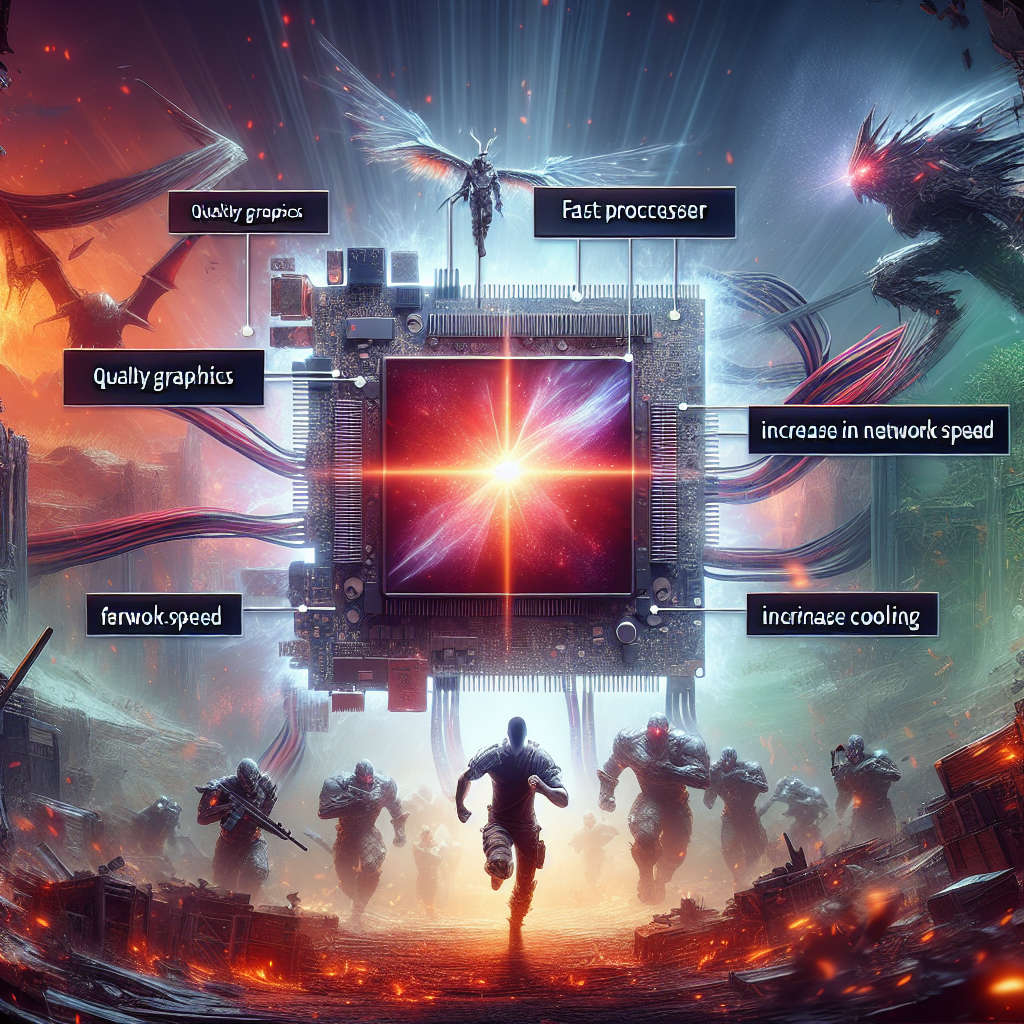
Furthermore, make sure to disable any unnecessary background applications that may be consuming system resources. Overheating can also impact performance, causing your system to throttle down to prevent damage. Regularly clean your computer’s fans and ensure proper airflow. Consider investing in additional cooling solutions if necessary. Lastly, if you are experiencing stuttering or freezing, consider optimizing your storage. Solid State Drives (SSDs) can significantly reduce loading times and enhance overall performance compared to traditional Hard Disk Drives (HDDs). By addressing these common issues, gamers can enjoy a smoother and more immersive gaming experience.