Enhancing Psychiatry: Attracting Change and Healing

The field of psychiatry is undergoing a transformative phase, marked by a growing understanding of mental health and the need for innovative approaches to treatment. Enhancing psychiatry involves not just advancements in medical practices but also a holistic view that prioritizes patient-centered care, accessibility, and the integration of technology.
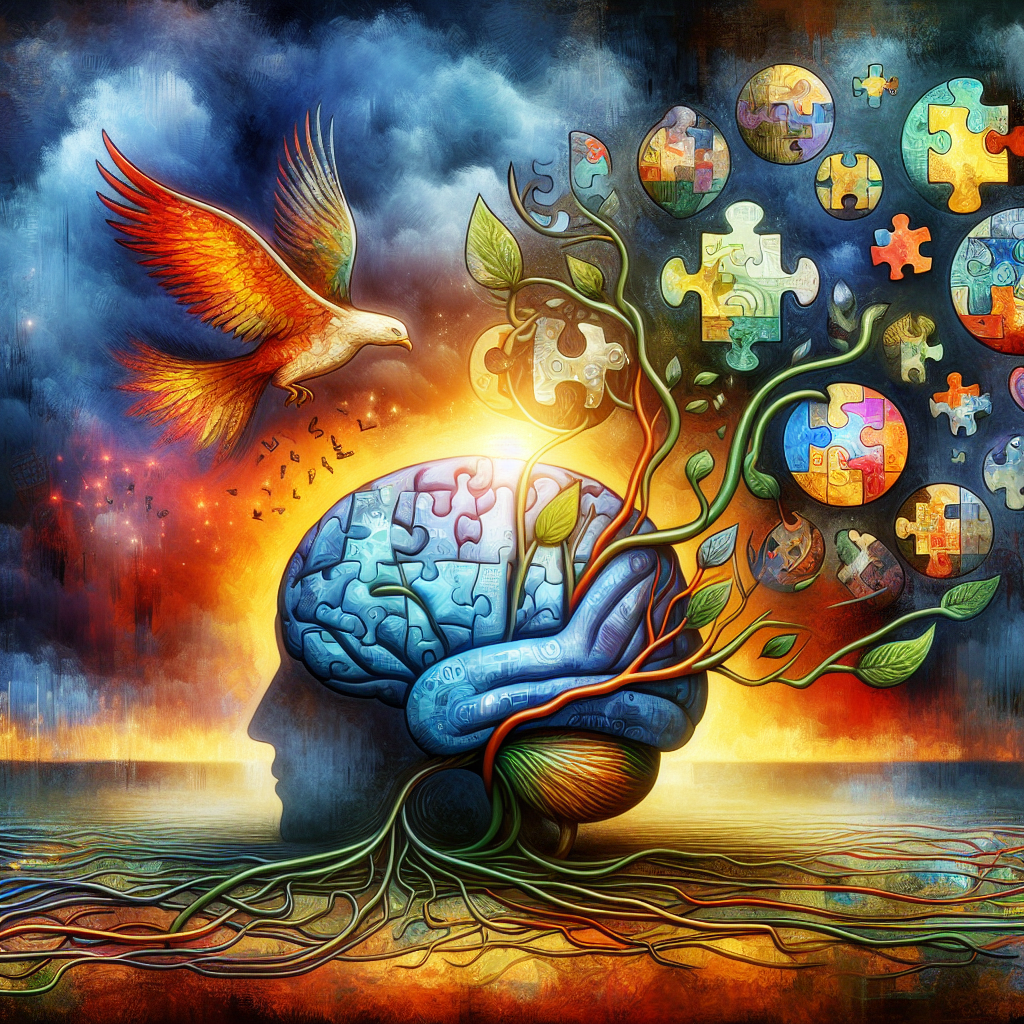
This shift is essential for attracting change and facilitating healing among individuals who seek mental health support. One significant change in psychiatry is the increasing emphasis on personalized treatment plans. Mental health professionals are recognizing that each individual’s experience with mental illness is unique, necessitating tailored approaches that consider personal histories, cultural backgrounds, and specific symptomatology. This personalized care fosters a deeper connection between patients and providers, enhancing the therapeutic alliance and promoting better outcomes. Moreover, the integration of technology in psychiatry has opened new avenues for treatment, such as telepsychiatry and digital mental health tools. These innovations not only improve access to care, especially in underserved communities, but also empower patients to engage actively in their healing process.

For instance, mobile applications that offer cognitive-behavioral therapy exercises or mindfulness practices can provide valuable resources outside of traditional sessions. Community engagement and destigmatization efforts are also vital in enhancing psychiatry. By fostering open conversations about mental health, we can create environments that encourage individuals to seek help without fear of judgment. Support groups, educational programs, and awareness campaigns play crucial roles in normalizing mental health discussions, ultimately leading to a more supportive society. As psychiatry continues to evolve, the focus remains on attracting change that prioritizes healing. By embracing innovation, personalizing care, and fostering community, the field can effectively address the complexities of mental health, leading to improved well-being for countless individuals.