Embracing 2+2=5: The Art of Consumer Compromise

In a world increasingly defined by consumer choices, the phrase "2+2=5" serves as an intriguing metaphor for the art of compromise in the marketplace. At first glance, this assertion may seem nonsensical, a blatant contradiction to the mathematical truth we hold dear.
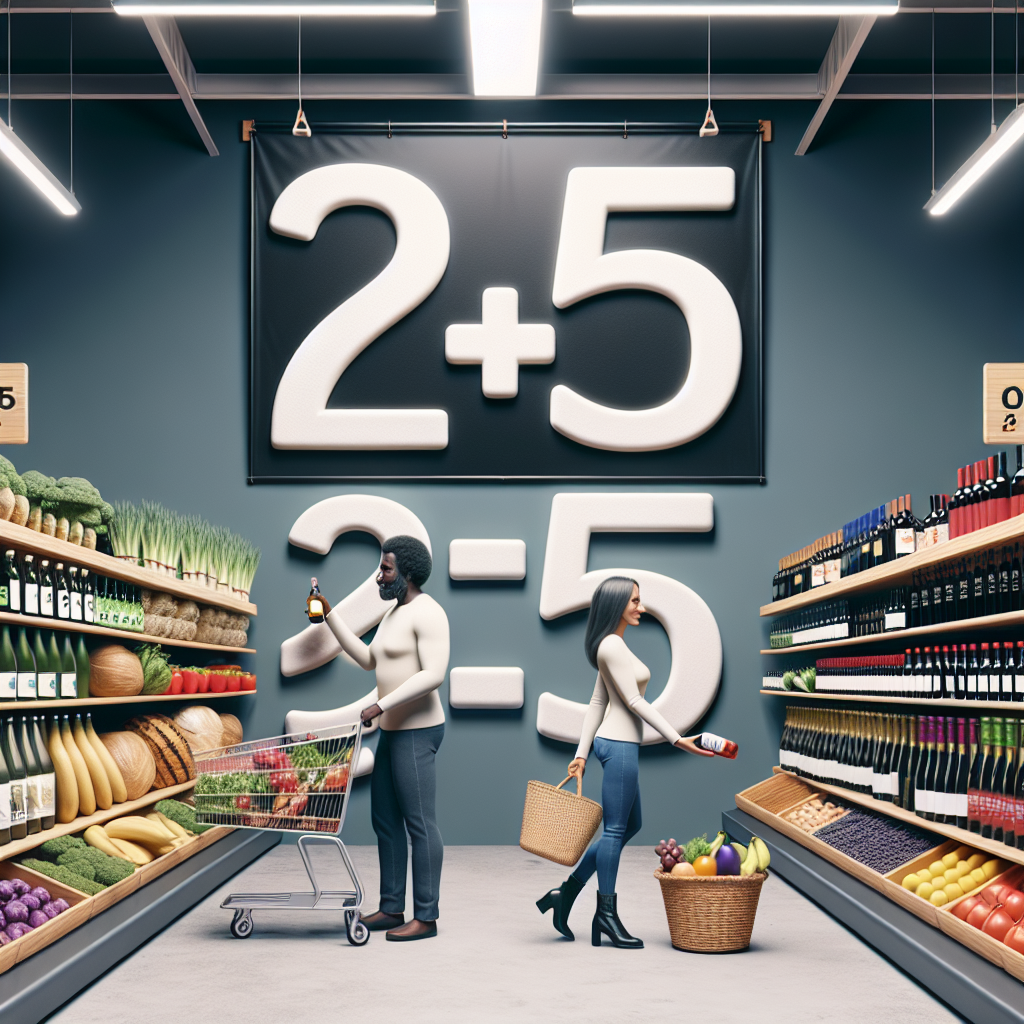
However, in the realm of consumerism, it represents a deeper understanding of how we navigate our desires, needs, and the compromises that arise from them. The modern consumer is often faced with a myriad of options. The abundance of choices can lead to paralysis, where the overwhelming nature of selection hampers decision-making. In this context, "2+2=5" embodies the idea that sometimes, the sum of our choices can yield unexpected outcomes. We may not get exactly what we think we want, but through compromise and adaptability, we can arrive at a solution that, while not perfect, is satisfactory and fulfilling. Consider the smartphone market, where consumers are bombarded with a plethora of features and specifications. A buyer might desire the latest model with top-notch camera capabilities, but budget constraints may dictate a less advanced version. In this scenario, the consumer learns to embrace the compromise: while they may not have the ultimate device, the model they choose still provides adequate functionality and satisfaction. Here, "2+2=5" reflects the consumer's ability to reconcile their desires with reality, leading to a balanced decision that ultimately meets their needs. Moreover, the concept extends beyond individual purchases. Businesses, too, engage in this dance of compromise. Companies often strive to balance quality, cost, and consumer expectations.
When launching a new product, they may find that certain features must be sacrificed to keep prices competitive. Yet, through strategic marketing and positioning, they can create a narrative that highlights the value of the product, making consumers feel as though they are getting more than they paid for. In this way, both consumers and businesses participate in a collective understanding of value, where perceived benefits may outweigh the actual cost. Embracing "2+2=5" also opens the door to creativity and innovation. When consumers prioritize experience over mere specifications, they often discover new ways to enjoy products. For instance, a consumer may buy a mid-range camera, but through creative use of editing software and photography techniques, they can produce stunning images that rival those taken with high-end equipment. This spirit of compromise fosters a culture of ingenuity, where individuals find joy and satisfaction in their choices, even if they fall short of their initial expectations. Ultimately, the art of consumer compromise—symbolized by the phrase "2+2=5"—invites us to re-evaluate our relationship with consumption. It encourages us to recognize the value of adaptability, to seek satisfaction in the balance between our desires and realities. Instead of striving for perfection, we can learn to appreciate the unique outcomes that arise from our choices. By embracing this philosophy, we can navigate the complexities of consumer life with grace and creativity, finding fulfillment in the unexpected combinations that define our experiences.